The Technology Revolution: How Innovation Is Reshaping the Modern World
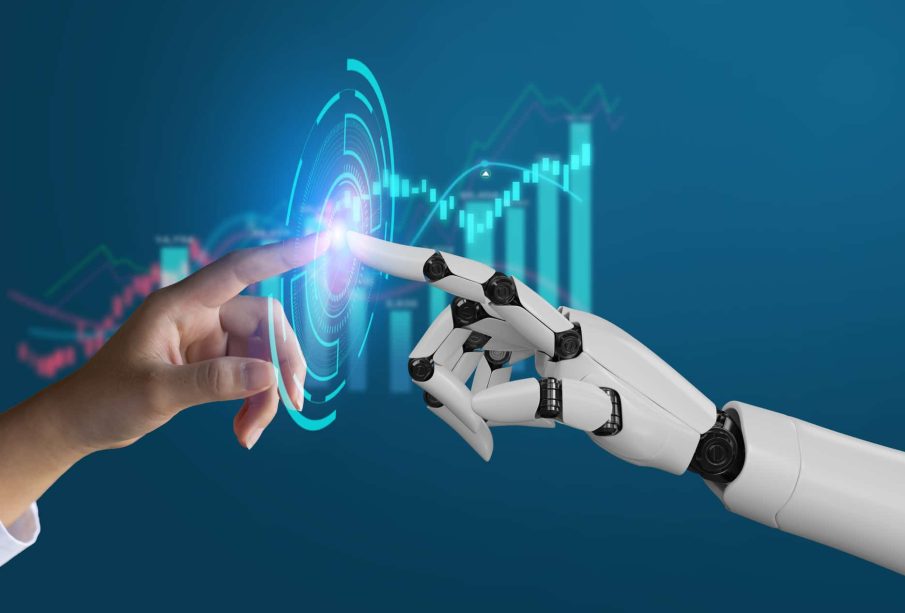
Technology has become the pulse of modern life. It powers our communication, fuels global economies, shapes cultural trends, and influences nearly every decision we make—both personally and professionally. As digital transformation accelerates, the world is entering a new era defined by intelligent systems, hyperconnectivity, automation, and innovation at a pace humanity has never experienced before.
This article explores the major technological shifts shaping our future, the breakthroughs driving new industries, and the impact of an increasingly digital world on everyday life.
The Acceleration of Artificial Intelligence: The Heart of Modern Tech
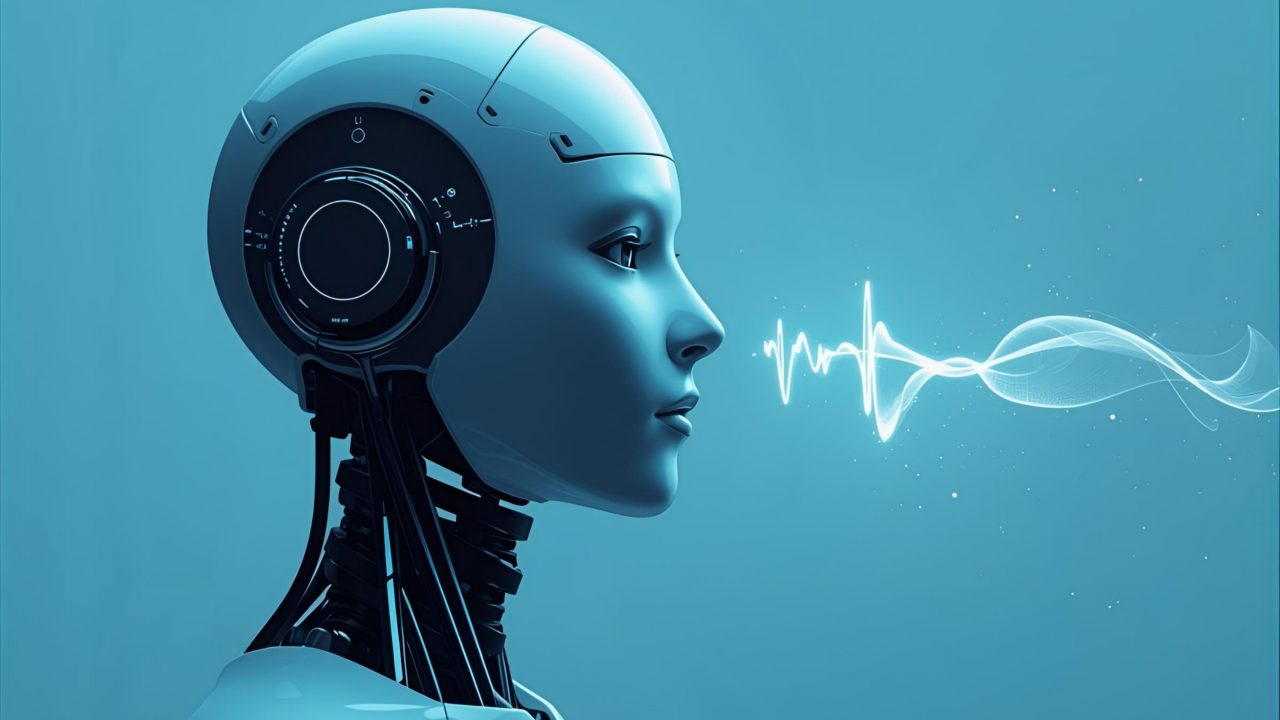
Artificial intelligence has moved from research labs into the fabric of daily living. It powers search engines, personal assistants, smart homes, finance systems, healthcare diagnostics, and business tools.
1. AI as the New Universal Utility
Much like electricity transformed the 20th century, AI is becoming the foundational utility of the 21st. AI systems analyze data, automate tasks, and make predictions with unprecedented accuracy. Businesses use AI for:
-
Customer support automation
-
Risk assessment
-
Trend forecasting
-
Fraud detection
-
Workforce optimization
Consumers interact with AI daily through navigation apps, streaming recommendations, and voice assistants.
2. Generative AI: Creativity Meets Computation
Generative AI tools can now create text, images, music, and even functional code. This technology is reshaping how we work and create:
-
Writers use AI for drafts and brainstorming
-
Designers generate concept art in seconds
-
Programmers use AI-assisted coding tools
-
Marketers produce graphics and social content instantly
This new creative partnership between humans and machines is pushing industries toward faster experimentation and more innovation.
The Rise of Automation and Robotics
Automation is becoming a central force in manufacturing, logistics, healthcare, and even everyday households.
1. Robotics in Industry
Industrial robots are now faster, safer, and more adaptable. They can:
-
assemble electronic devices
-
move heavy materials
-
package goods
-
inspect equipment
-
perform precision manufacturing
Collaborative robots (cobots) work alongside humans, improving efficiency without replacing human judgment.
2. Service Robotics and Personal Use
Robotics has expanded into personal and commercial services:
-
Automated cleaning robots
-
Robotic lawn mowers
-
Delivery robots in urban spaces
-
Pharmacy and hospital automation
-
Agricultural drones and planting machines
These tools help reduce labor-intensive tasks and improve everyday comfort and safety.
Connectivity: Building a Hyperlinked World
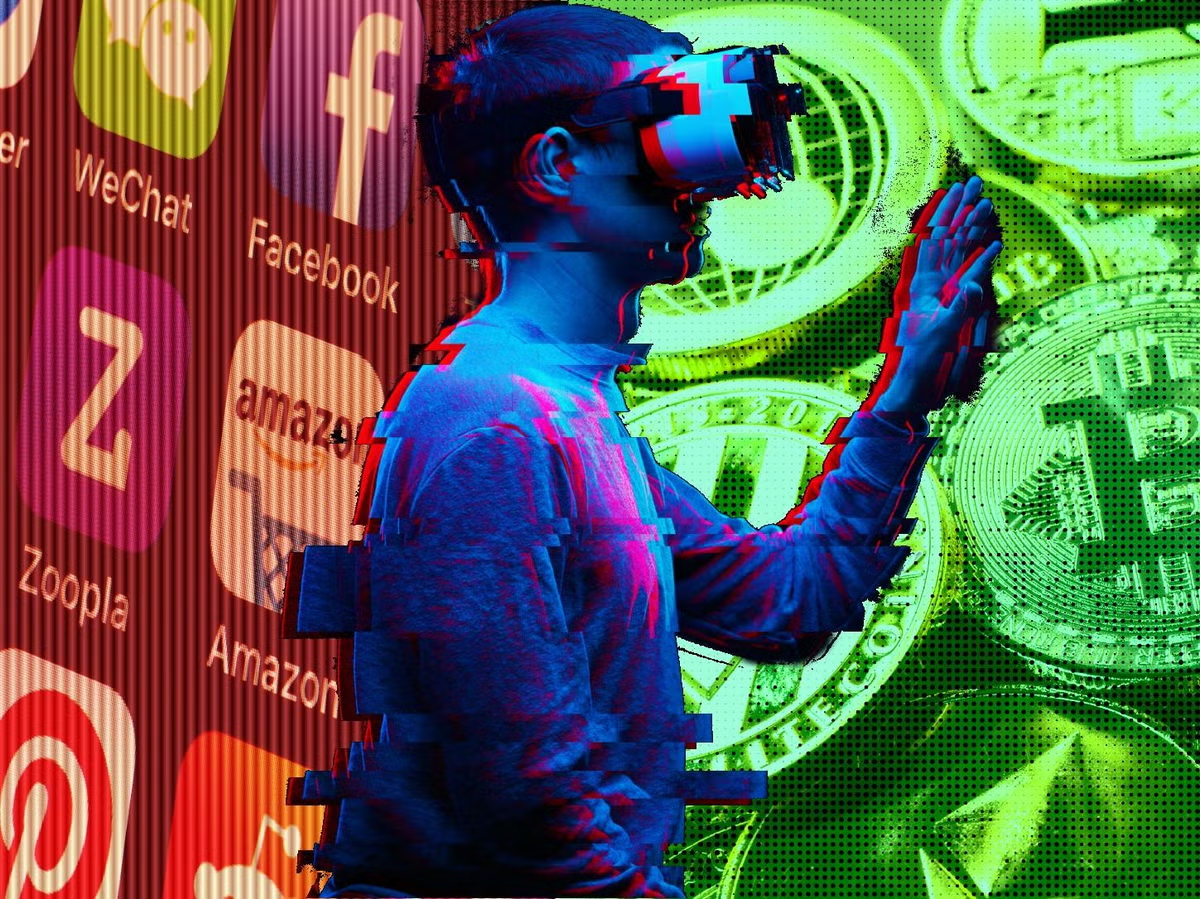
The shift toward global connectivity continues to reshape how people access information, communicate, and interact with technology.
1. 5G and Beyond
5G networks are enabling:
-
faster internet speeds
-
lower latency
-
more connected devices
-
high-quality video streaming
-
real-time remote operations
This paves the way for autonomous vehicles, remote surgery, AR/VR applications, and smart city infrastructure.
2. The Internet of Things (IoT)
The internet is no longer limited to computers and phones. Everyday devices—refrigerators, thermostats, security systems, industrial machines, and even clothing—now connect to the cloud.
IoT improves:
-
home automation
-
industrial efficiency
-
energy management
-
environmental monitoring
-
healthcare tracking
With billions of connected devices, IoT forms the backbone of modern digital ecosystems.
Cybersecurity: Protecting the Digital Frontier
As technology becomes more integrated into everyday life, cybersecurity becomes more critical. Cyber threats have evolved from simple viruses to sophisticated attacks targeting infrastructure, businesses, and personal data.
1. The Growing Need for Digital Protection
Major threats include:
-
ransomware
-
phishing
-
identity theft
-
data breaches
-
state-sponsored cyberattacks
Organizations now invest heavily in cybersecurity frameworks and staff. Governments worldwide are developing policies to secure digital borders and protect critical systems.
2. Zero-Trust Security Models
Zero-trust architectures operate on a simple principle: trust no device, user, or request unless verified continuously. This model reduces vulnerability and strengthens digital environments across sectors.
Cybersecurity is no longer an IT issue—it is a foundational requirement for both individuals and global stability.
The Evolution of Consumer Technology
Consumer tech continues to reinvent daily life. Gadgets are becoming smarter, more intuitive, and more personalized.
1. Smart Homes and Personal Assistants
From controlling lighting and temperature to managing groceries and security systems, smart homes are now mainstream. Voice assistants integrate seamlessly with devices to create connected environments that respond to spoken commands.
2. Wearable Technology
Wearables help track health metrics, navigation, workouts, and daily routines. Advanced sensors allow for:
-
real-time heart monitoring
-
sleep analysis
-
hydration tracking
-
early detection of health anomalies
These devices are turning personal health management into a continuous, data-driven process.
3. The Future of Personal Computing
Tablets, ultrathin laptops, foldable displays, and VR headsets are redefining mobility and creativity. Personal computing is moving toward:
-
cloud-based workflows
-
device ecosystems
-
AI-enhanced productivity tools
-
immersive displays
The line between physical and digital experiences continues to blur.
Cloud Computing: The Invisible Infrastructure of Modern Tech
Cloud technology underpins nearly every major digital service. It allows businesses and individuals to store data, scale applications, and run advanced software without needing extensive hardware.
1. Scalability and Flexibility
Companies can now scale resources instantly based on demand. This enables startups to launch products quickly and large enterprises to operate globally without physical limitations.
2. Edge Computing Enhancements
Edge computing brings data processing closer to users, improving speed and reducing latency. This is essential for:
-
autonomous vehicles
-
industrial automation
-
telemedicine
-
real-time analytics
Cloud and edge computing combined create a hybrid digital infrastructure built for speed and performance.
Ethical Considerations and the Human Impact of Technology
With great technological power comes great responsibility. As tech advances, society must address ethical concerns around:
-
privacy
-
data ownership
-
algorithmic bias
-
workforce displacement
-
digital addiction
-
environmental impact
These challenges require collaboration between governments, companies, educators, and individuals to ensure technology enhances rather than harms human well-being.
The Future of Technology: A New Digital Horizon
Looking forward, several emerging trends are poised to shape the next decade of global innovation:
● Artificial general intelligence (AGI)
A future where AI systems understand, learn, and reason broadly across tasks.
● Fully autonomous transport networks
Self-driving cars, drones, and automated logistics systems transforming mobility.
● Immersive digital worlds
The rise of spatial computing, AR, VR, and persistent virtual environments.
● Quantum computing breakthroughs
Revolutionizing computing power, especially in research, medicine, and encryption.
● Sustainable technology
Green data centers, energy-efficient AI, and eco-driven innovation.
The next decade promises extraordinary innovation—and significant responsibility.
Conclusion
Technology is no longer just a tool; it is the foundation of modern society. It drives economic growth, transforms industries, enhances personal lives, and expands what humanity is capable of achieving. As AI, automation, connectivity, and immersive experiences continue to evolve, the world must balance innovation with ethics, speed with safety, and progress with human-centered values.
We are living through one of the most transformative eras in history—and the future of technology is only just beginning.



Leave a reply